
What Is a Seafood Platter? A Guide to Building the Perfect One
March 4, 2026Have you ever wondered why a seafood platter is often the most expensive and revered item on a menu? According to industry data from early 2026, seafood consumption in Australia has hit a record high, with the average Australian now consuming over 20.5 kg of seafood annually. Much of this growth is driven by the “experience economy,” where diners seek communal, visually stunning meals that celebrate the ocean’s bounty.
A seafood platter is more than just a collection of fish; it is a curated gastronomic journey. From the salt-kissed shores of South Australia to the upscale tables of a seafood restaurant in Adelaide, the platter epitomises “ocean-to-plate” dining. Whether you are aiming to recreate a luxury spread at home or seeking the best fine dining Glenelg has to offer, this guide will help you master the architecture of the perfect seafood platter.
The Anatomy of a Luxury Seafood Platter
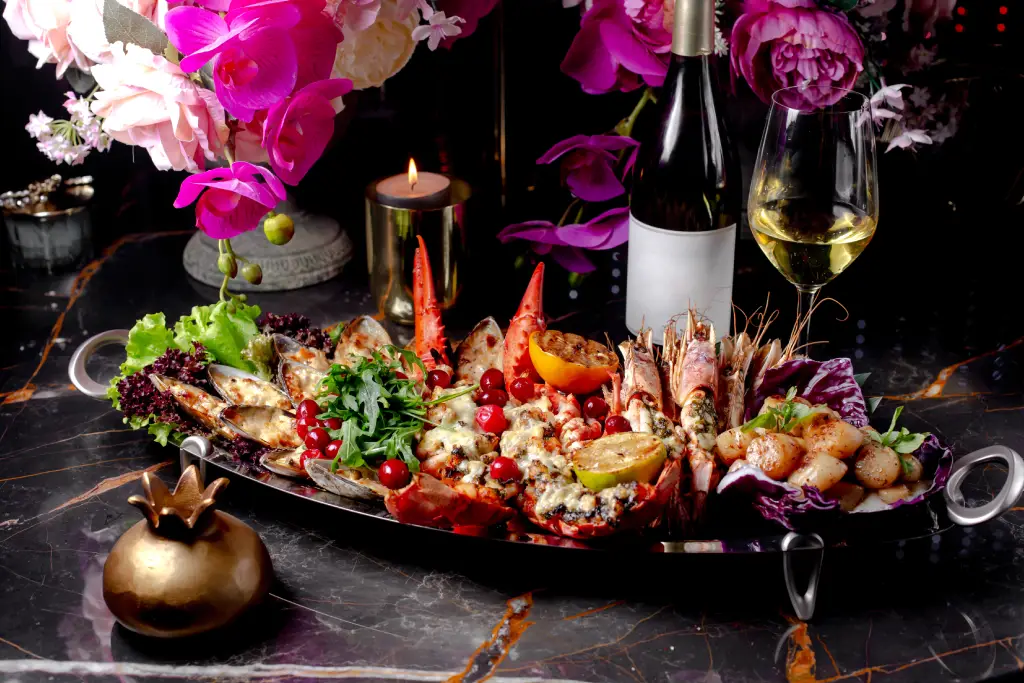
At its core, a seafood platter is a diverse selection of crustaceans, mollusks, and fish served together, often on a bed of ice or a heated grand tray. In 2026, the trend has shifted toward “Regionality,” where the platter tells a story of the local waters.
The “Cold” Selection
A classic cold tier provides the refreshing, briny start to the meal.
- Oysters: Ideally, natural and freshly shucked. In South Australia, Coffin Bay and Smoky Bay varieties are world-renowned for their crisp, mineral finish.
- Prawns: Look for large, firm King Prawns or Tiger Prawns.
- Sashimi: Thinly sliced Atlantic Salmon or Bluefin Tuna adds a buttery texture that contrasts with the snap of shellfish./li>
The “Hot” Selection
For a truly decadent experience, a platter must include cooked elements that provide warmth and depth.
- Grilled King Prawns: Often marinated in garlic, chilli, or lemon.
- Soft-Shell Crab: A staple at high-end venues like Sammy’s on the Marina, providing a satisfying crunch.
- Steamed Mussels: Typically served in a white-wine-and-garlic broth or a spicy tomato-based broth.
Choosing Your “Hero” Ingredient
Every masterpiece needs a focal point. In the world of high-end dining, the “Hero” is the ingredient that justifies the premium price and commands attention.
- Southern Rock Lobster: The undisputed king of the Australian coastline. When choosing a waterfront restaurant in Adelaide, ensure they offer locally caught lobster for the sweetest meat.
- Whole Barramundi: A grilled whole fish serves as an impressive centrepiece, symbolising abundance and culinary skill.
- Moreton Bay Bugs: These unique crustaceans offer a flavour profile somewhere between a prawn and a lobster, making them a “quintessentially Australian” addition.
The Art of the Garnish and Sauce
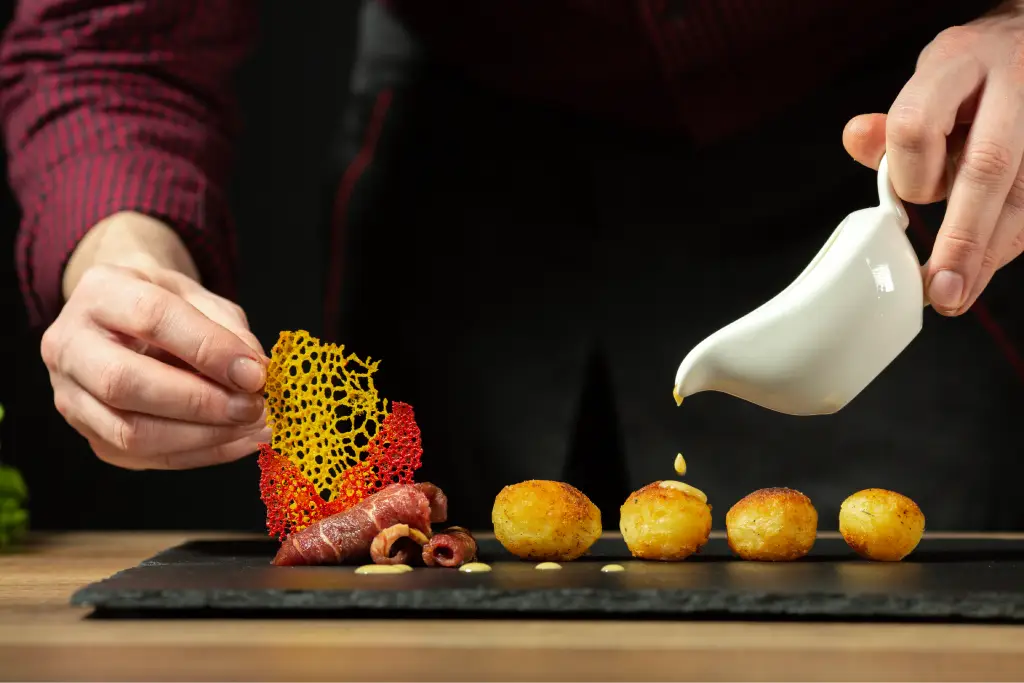
A platter without the right accompaniments is like a painting without a frame. The goal of a sauce is to enhance, not mask, the natural sweetness of the seafood.
Essential Condiments:
- Mignonette Sauce: A classic blend of red wine vinegar, shallots, and cracked black pepper for oysters.
- Citrus Hollandaise: A modern twist that adds a rich, velvety finish to grilled fish.
- Marie Rose Sauce: The nostalgic “seafood sauce” that remains a favourite for dipping cold prawns.
- Fresh Citrus: Don’t just settle for lemons; in 2026, chefs are using finger limes and charred grapefruit to provide a complex acidity.
Why Location Matters: Fine Dining in Glenelg
The setting of your meal is just as important as the food itself. If you are looking for fine dining Glenelg residents trust, the atmosphere of the Marina Pier is unmatched. Dining at a waterfront restaurant in Adelaide adds a literal “salt air” seasoning to your meal that cannot be replicated elsewhere.
The Experience at Sammy’s on the Marina
One of the most iconic destinations for this experience is Sammy’s on the Marina. Known for their 270-degree views of the Gulf St Vincent and the Holdfast Shores, they have perfected the “Australian Seafood Platter.” Their signature spreads often include:
- Freshness: Sourcing directly from the boat to the kitchen.
- Variety: A mix of crumbed garfish, whole barramundi, and chilli mussels.
- Ambience: The chance to spot dolphins while you dine, elevating the meal from a simple dinner to a lifetime memory.
Building Your Own Platter: A Step-by-Step Guide

If you are hosting a celebration at home, follow this professional checklist to ensure your platter rivals a seafood restaurant in Adelaide.
- Source Sustainably: Visit local markets and ask for the catch of the day. Avoid frozen-thawed products if possible.
- Prep Early: Clean your mussels, peel the prawns (leaving the tails on), and make your sauces at least two hours before serving.
- Ice is Everything: If serving cold, use a deep tray filled with crushed ice. This keeps the seafood at the critical temperature of under 5°C.
- Layering: Start with the larger items (Lobster, Crab) in the centre and build outwards with smaller items like oysters and scallops.
- Timing: For hot platters, ensure all items are cooked to “just done” to avoid the rubbery texture of overcooked squid or prawns.
Pairing Seafood with South Australian Wine
South Australia is home to some of the world’s best wine regions, making seafood and wine pairing in Adelaide a breeze.
- Riesling (Clare Valley): The high acidity and lime notes make it the perfect partner for natural oysters and raw fish.
- Chardonnay (Adelaide Hills): The buttery undertones complement the richness of lobster and scallops.
- Rosé: A dry, pale rosé is surprisingly versatile, bridging the gap between delicate white fish and bolder, spicy mussels.
The 2026 Seafood Market: By the Numbers
The seafood industry is seeing a shift toward premiumization. According to market analysts, the Australian seafood market is expected to reach a value of $4.1 billion by late 2026.
| Sector | Growth Rate (2025-2026) | Primary Driver |
|---|---|---|
| Wild-Caught Crustaceans | 4.2% | Export Demand & Local Fine Dining |
| Aquaculture (Oysters/Salmon) | 5.8% | Sustainability Certification |
| Premium Dining (Platters) | 7.1% | Transformation Economy Trends |
As consumers become more health-conscious, the demand for Omega-3-rich proteins found in fresh seafood continues to outpace red meat in the luxury dining sector.
Conclusion
A seafood platter is the ultimate celebration of the ocean. Whether you are enjoying a meticulously crafted spread at Sammy’s on the Marina or building your own masterpiece at home, the key remains the same: respect the ingredient. By focusing on freshness, variety, and the perfect waterfront restaurant in Adelaide, you can turn a simple meal into an extraordinary event.
The next time you find yourself at a seafood restaurant in Adelaide, remember that the platter isn’t just food – it’s a testament to South Australia’s rich maritime heritage.
Are you ready to experience the freshest catch in the state? We can help you book a table at the most scenic spots in Glenelg or provide a shopping list for your own home-made seafood extravaganza. What would you like to do next? Visit us!
FAQs
1. How many people does a standard seafood platter serve?
In most seafood restaurants in Adelaide, a standard platter is designed for two people as a main course. However, larger “Deluxe” or “Grand” platters can serve 4 to 6 people.
2. Can I get a gluten-free seafood platter?
Yes! Most seafood is naturally gluten-free. At premium venues like Sammy’s on the Marina, you can request “Grilled only” to avoid crumbed or battered items, making it safe for Celiac diners.
3. What is the best way to eat a lobster on a platter?
In a fine dining Glenelg setting, the lobster is usually pre-cut. Use a small seafood fork to gently pull the meat from the tail, and don’t be afraid to use the provided crackers for the claws – that’s where the sweetest meat is!
4. Why are oysters served on a bed of salt or ice?
The ice keeps them at a safe temperature to prevent spoilage, while the salt (often rock salt) provides a stable base so the precious “liquor” inside the oyster shell doesn’t spill out.
5. What are “Moreton Bay Bugs”?
They are flathead lobsters found in northern and eastern Australian waters. They have a firmer texture than prawns and are a highly prized addition to any waterfront restaurant Adelaide menu.